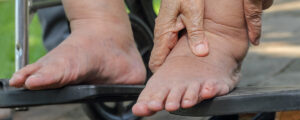
Diabetic foot, as the name suggests, is a complication of diabetes that tends to affect the vascular system.
The Diabetic Foot is considered the leading cause of lower limb amputation and is also the main reason for hospitalization among people with diabetes. More than just a complication of diabetes, it should be regarded as a complex clinical condition. It is characterized by the development of loss of sensation in the feet, presence of complex wounds, deformities, limited joint mobility, infections, amputations, among others.
Continuous intervention is necessary to raise awareness about proper care, thereby reducing the risks of amputation. About half of amputations and ulcerations can be prevented through foot assessment, classifying it and assigning the correct risk grade for ulceration, thus allowing the implementation of preventive strategies.
Interventions by a Podologist aim to empower the individual to develop self-care behaviours, reducing the incidence of ulceration, within an integrated care perspective that combines prevention strategies. These strategies can be implemented at the level of the person, the caregiver (formal/informal), or the care facility.
Some simple actions can make all the difference, such as:
- Dry your feet thoroughly, including between the toes;
- Regularly check your feet for blisters, warmth, or chilblains. If you notice any, seek medical advice promptly;
- Do not cut corns or blisters;
- Do not remove cuticles to avoid the risk of infection;
- Moisturise your feet daily, but avoid applying cream between the toes;
- Avoid tight, pointed, hard-soled shoes or shoes with straps between the toes;
- Wear seamless socks or socks with the seam on the outside;
- Avoid hot or cold compresses due to reduced sensitivity caused by poor circulation;
- Only file or cut your nails straight across;
- And most importantly, avoid walking barefoot!
These are some actions to take to reduce the risk of amputation due to complications from diabetic foot infections. In addition to these precautions, it is recommended to have a consultation with specialists, as they can implement a treatment plan tailored to each case.
At PodoSaúde, we provide all the necessary support for the prevention and treatment of diabetic foot.
Book an appointment now!